Overview: Samoan Family History and Genealogy Challenges, Opportunities
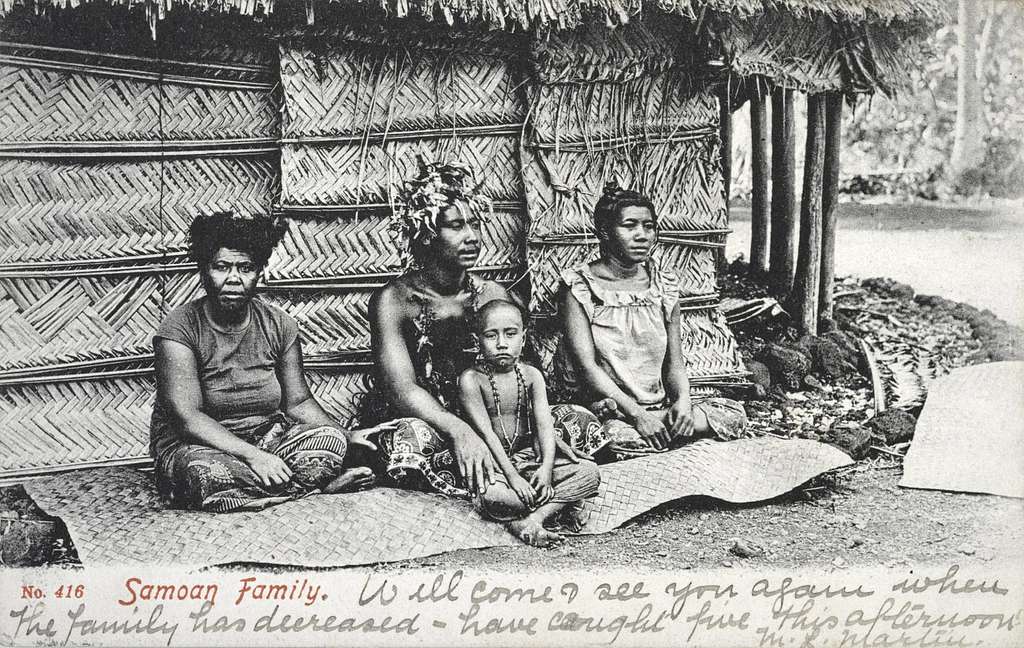
Like many in the Samoan diaspora, I first encountered pieces of my family history in fragments.
I heard the name of my mother’s village. At Samoan church and during family visits, relatives would be introduced and family stories would be shared. I knew the songs and dance held more meaning than the music for entertainment that surrounded me growing up in San Diego. But there was too little detail and I was shy to ask for more, so it was impossible to build a solid understanding of the connections.
Over time, these fragments began to form questions. Exploring genealogy became my way of working to bring these pieces together. When I feel shy to ask questions, I lean on research and reporting structures that feel somewhat familiar from my professional work in scientific writing. As part of this exploration, I connected with other explorers on related paths, and hosted a series of Intro to Samoan Genealogy workshops with The Samoa Association San Diego (TSASD). There, we worked together to address questions we had in common.
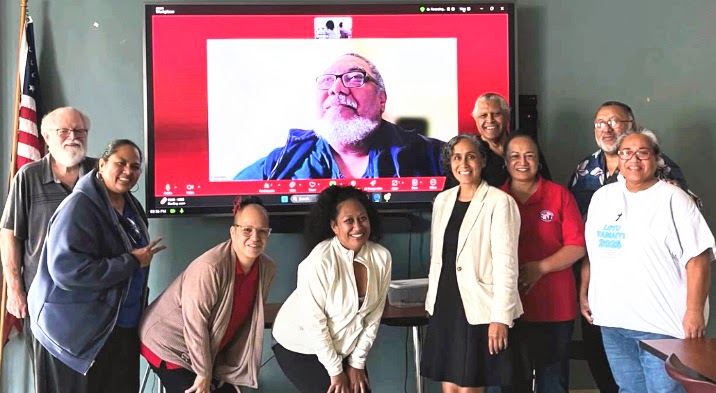
This is the first of a series of essays sharing takeaways from that series of workshops. It reflects two presentations of the first guest speaker, Andrew Peteru. Andrew Peteru is a Samoan who is researching his maternal Samoan and European ancestors and analysing historical documents, genealogical records and DNA matches. He presented for Legacy Family Tree Webinars on the topic of combining traditional Samoan genealogy with other forms of family history: “Samoan genealogy (Gafa) retold.”
What Gafa Represents
In Samoa, genealogy is preserved and fiercely protected through oral tradition—gafa—as they link not only close family members and ancestors, but also the broader community, land, chiefly titles, responsibilities that come with belonging to the community, and the continuously evolving Samoan identity.
A person’s gafa connects them to parents, grandparents, and ancestors whose lives shaped the family’s place in the world. These connections link individuals not only to relatives, but also to villages and the responsibilities that come with belonging to a family.
Andrew explained: “Gafa is considered a proven line of descent traced continuously from an ancestor. Ordinarily, it cannot be questioned. The extended family sharing the gafa is large, going back several generations, and there's many branches that formed over the decades. Each branch has a slightly different version, or mao, describing their direct bloodline to the same common ancestor. The differences in these versions are, of course, subjective, sometimes great difference.”
Why Samoan Genealogy Can Be Difficult for Diaspora
While many families maintain strong connections, several factors can make research challenging.
Oral traditions and multiple versions of history
Different branches of a family may preserve their own versions of family history. In some cases, these narratives may differ from each other or from written records. When this happens, researchers should approach the differences respectfully and acknowledge that the ambiguity may not be resolvable.
Andrew noted: ““Proverbs are a crucial part of Samoan oratory practiced by matai. Proverbs are used to praise, express an emotion, emphasize a point, settle disputes, clarify situations, or call one’s bluff. A proverb used at the right time and place can dissipate tension from the most serious situation. This popular and important Samoan proverb, tells us that there is not just one version of anything, including genealogy: E tala lasi Samoa, E mau ese’ese A’ana. Samoa has different narratives; A’ana has different testimonies. It states a fact of history, whether written or oral, and that is with each author, there is a version.”
Historical disruptions
Colonization and political change affected how records were created and preserved in Samoa. German colonial administration, New Zealand governance, and later independence all shaped the systems used to record land ownership, titles, and legal decisions.
Understanding the historical period in which ancestors lived can provide important context. For example, my great grandmother Ailepata was born in 1901. My aunts told me that her family has roots in Savai’i villages Fogapoa, Lano, Asage Samalaulu. Eruptions of Mount Matavanu in that area started on August 4, 1905 and continued for six years. The event that displaced communities and affected local histories. I heard that, to escape the destruction, Ailepata’s whole village moved to Leauvaa on the northern coast of Upolu, near Apia.
Early deaths and missing family knowledge
In earlier generations, many ancestors died young—sometimes before their children were old enough to learn family history directly from them. This can create gaps in knowledge that later generations must piece together using other records and interviews.
Endogamy
When I joined DNA databases such as Ancestry, I immediately noticed I had far too many matches estimated to be closely related—e,g, “third or fourth cousin.” One of the reasons is endogamy, which occurs in a group of people who, for various reasons, reproduced within a relatively small group for many, many, many generations. This happened in Samoa due to “founder effect” and “population bottlenecks” such as the influenza epidemic of 1918–1919. Endogamy can complicate genealogy research and DNA analysis because individuals are related through multiple ancestral lines.
Where Family History Lives
Despite these challenges, many valuable sources exist for those interested in researching their family history.
Family knowledge and oral histories
The most important sources often come from within the family itself. Elders, matai, and relatives who have preserved family documents may hold essential knowledge about genealogy, village relationships, and historical events.
Interviews with relatives can uncover stories, photographs, and connections that are not recorded elsewhere.
Church records
Church records can be especially valuable for genealogical research. Baptism, marriage, and burial records often contain information about family relationships and important dates.
In some cases, christening records may also list godparents or sponsors, providing clues about extended family networks.
Archives and historical sources
Historical materials can provide additional context for family histories. These may include:
- archival records
- historical newspapers
- family chronicles
- colonial administrative documents.
New Zealand archives and historical newspapers have been particularly useful for researchers studying Samoa during the colonial period.
Land and Titles Court records
The Land and Titles Court was established during the German colonial period in the early twentieth century to help resolve disputes over land and chiefly titles. It later continued under New Zealand administration and remains an important institution in Samoa today.
Court records can sometimes contain genealogical information, particularly when family lineages were presented as evidence in title or land disputes.
Researching Genealogy with Respect
When speaking with elders or village leaders about family history, it is important to approach them respectfully. Researchers should introduce themselves clearly, explain their purpose, and follow cultural protocols.
Practical considerations may include:
- dressing modestly when visiting homes
- removing shoes before entering a house
- bringing small gifts or tokens of appreciation
- asking permission before recording interviews.
Researchers should also respect the wishes of interviewees, including whether they want to be quoted or recorded.
Understanding one’s own positionality can also be important. Age, gender, and family relationships may affect how conversations are received, and sometimes it may be helpful to involve other relatives in interviews.
Practical Steps to Start Researching Your Family History
For those interested in beginning their own genealogical research, a few simple steps can help organize the process.
Find your focus and learn continuously
Plan for a clear output like a family chronicle, website, or Facebook group to share and preserve findings, ideally in both English and Samoan for inclusivity.
In alignment with your focus, be open to learning new tools, updating information, and embracing corrections as more evidence becomes available.
Historical context
When seeking to understand an ancestor, work to understand the historical context of the particular time in history in which an ancestor lived. Useful sources include historical books about Samoa, the New Zealand archives, Papers Past (which allows filtering to select Samoan papers), and chronicles of key Samoan families.
Start with what you know
Begin by documenting information about yourself, your parents, and your grandparents. Record names, nicknames, birthplaces, and important life events.
Interview relatives
Speak with elders and relatives who may have knowledge of family history. Record stories, relationships, and village connections.
Gather documents
Collect family records such as photographs, letters, church documents, and family chronicles.
Cross-check information
Combining multiple sources—oral histories, written records, and DNA testing—can help confirm family relationships and clarify uncertainties.
Use digital tools
Online genealogy tools and family tree software can help organize information and visualize relationships between generations.
Collaboration and Family Knowledge
Genealogy is often most successful when approached as a collaborative effort.
Many families form informal committees or working groups to gather information and coordinate research. Online platforms such as private Facebook groups can allow relatives across different countries to share photographs, documents, and memories.
These spaces can help reconnect distant relatives while preserving family knowledge for future generations.
Building a Family Chronicle
As genealogical research progresses, families may wish to document their findings in a more permanent form.
Some create written family histories or family tree notebooks that record genealogies across generations. Others develop websites or digital archives where information can be shared and updated over time.
Digital platforms allow families to invite feedback, correct errors, and expand their knowledge before publishing a final version of their family chronicle.
Preserving Knowledge for Future Generations
Ultimately, genealogy is not only about reconstructing the past. It is about preserving knowledge and strengthening connections between generations.
For Samoan families—both in Samoa and across the diaspora—recording family histories can help ensure that the stories, relationships, and cultural knowledge of our ancestors continue to guide future generations.
By approaching genealogical research with curiosity, collaboration, and respect, families can deepen their understanding of who they are and where they come from. This is key for mapping out our futures. As Maya Angelou said, “You can't really know where you are going until you know where you have been.”
About the Author
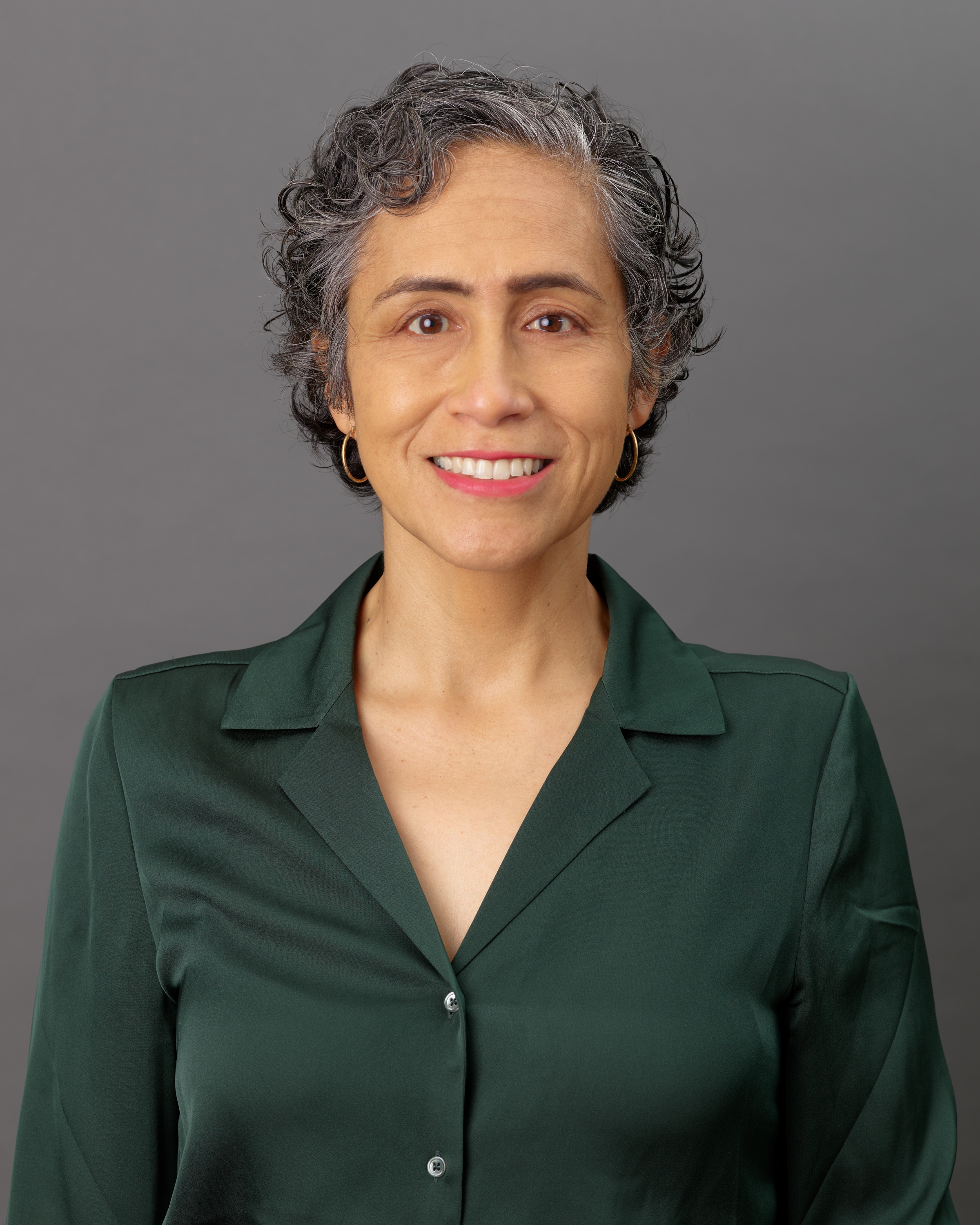
Georgina To'a Salazar
Scientific Writer | Samoan Heritage Researcher
Georgina To’a Salazar, PhD, is a scientific writer and researcher with a growing focus on Samoan cultural documentation and diaspora engagement. Trained in biomedical engineering and experienced in global research settings, she brings a structured, inquiry-driven approach to understanding heritage. Her heritage culture work centers on amplifying cultural knowledge, preserving community narratives, and supporting intergenerational connections within the diaspora.
LinkedInA 1909 postcard of a Samoan family