DNA Testing for Polynesian Genealogy Workshops
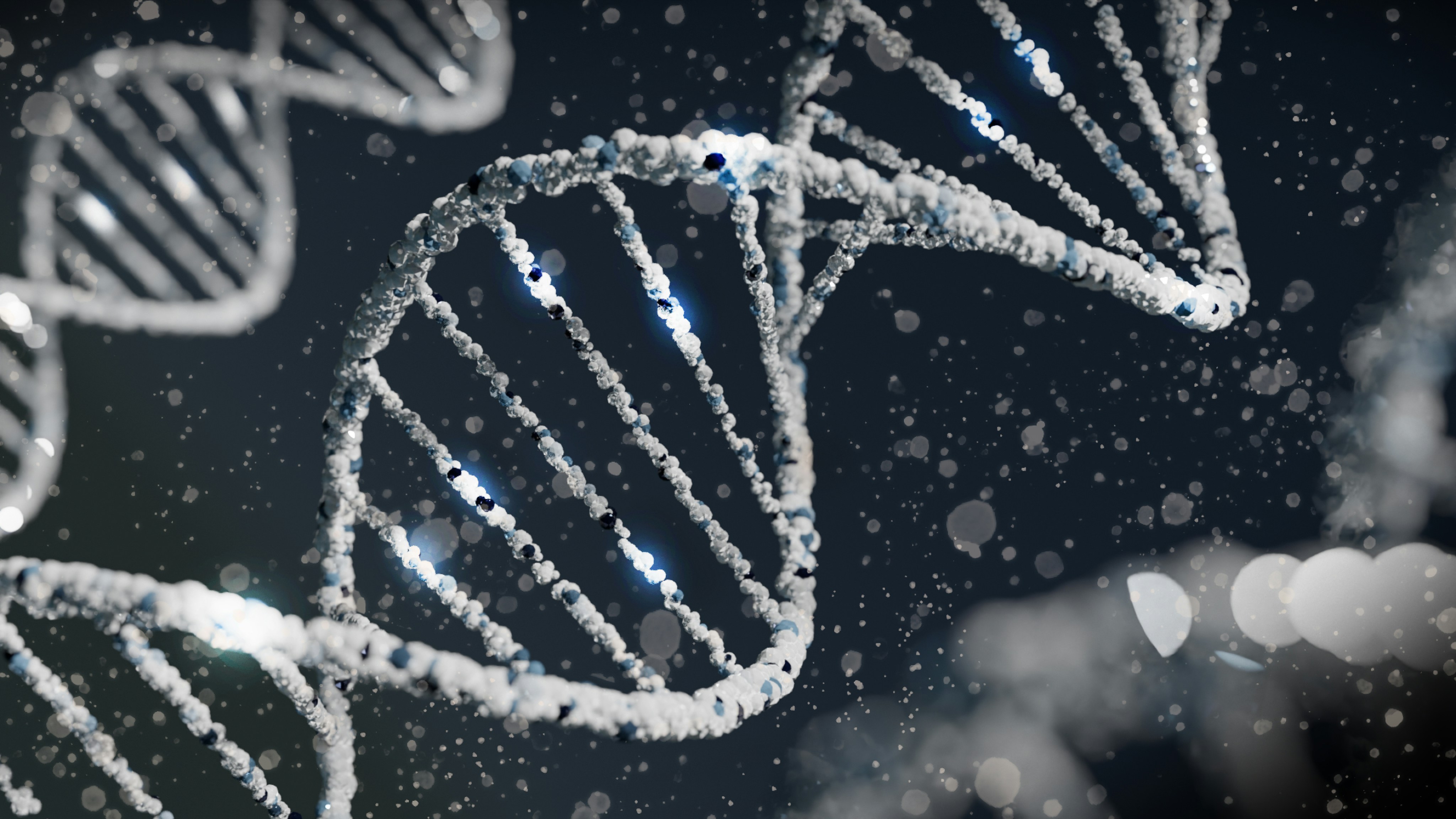
This essay highlights select takeaways from the second guest speaker in our 2025 Intro to Samoan Genealogy Workshop Series, Jane Culp. Jane presented an introduction to genetic genealogy for Polynesians, emphasizing the benefits of DNA testing for family history research. She explained DNA inheritance, including autosomal, Y-DNA, and mitochondrial DNA, and their uses in family history research, or genealogy.
Jane agreed with Andrew in highlighting the importance of combining traditional genealogy with DNA testing to break down brick walls and solve family mysteries. Also in alignment with Andrew, she emphasized the importance of writing down family history to avoid losing valuable information.
Jane discussed the risks of DNA testing, such as revealing family secrets, and advised on privacy protections. Jane also compared major DNA testing companies, recommending Ancestry for its large database and comprehensive resources.
She also suggested using Family Search, a free universal tree, but warns about its accuracy and the need to verify records.
Both sessions included audience Q&A.
Understanding DNA and Its Role in Genealogy
Jane opened her sessions with an overview of the basics of DNA, including its structure, inheritance, and the concept of recombination. Then she went into more detail on several topics relevant to using DNA tests to enhance family history research:
The different types of DNA assessed in tests for genealogy: autosomal DNA, Y DNA, and mitochondrial DNA
The process of DNA testing, including acquiring a DNA test kit, creating an account, and linking DNA results to a family tree
The benefits of DNA testing, such as learning about ethnicity and ancestral origins, and the limitations, such as not providing a complete family tree.
Ethnicity estimates: how DNA testing companies estimate ethnicity using reference panels and the limitations of these estimates.
Jane shared examples of how DNA testing can help solve family mysteries and break down genealogical brick walls.
She emphasized the importance of combining traditional genealogy with DNA testing to get the most accurate results.
Using DNA Matches and Traditional Genealogy
In the workshop, we reviewed how to use DNA matches to identify common ancestors and build a family tree. Jane emphasized the importance of using standard genealogy methods to validate DNA results and filling in gaps in the family tree.
The methods she reviewed included tips on how to use DNA match lists, shared matches, and ethnicity estimates to identify and connect with relatives. In one personal example, Jane found a paternal grandmother using DNA matches and traditional genealogy.
Risks of DNA Testing: Ethical Considerations
Jane took care to note that the benefits of DNA testing for genealogy are accompanied by some challenges and risks. She highlighted the importance of being aware of the potential risks and benefits of DNA testing to make informed decisions. For instance:
Revealing family secrets. Jane shared a true story about an adoptee discovering his biological family through DNA testing, highlighting the emotional impact of such revelations.
Compromising personal privacy. Jane advised on how to protect personal privacy when testing DNA, including reading the terms of service, keeping DNA samples secure, and being aware of the potential risks.
Ethical considerations of DNA testing include the potential impact on family relationships and privacy. Jane shared advice on how to handle the discovery of family secrets and the importance of being prepared for such revelations. She emphasized the need for open communication and understanding when dealing with DNA test results that reveal unexpected family relationships. Such understanding is an essential foundation for achieving a balance in the preservation of cultural traditions with the sharing of family history.
The participants discuss the importance of genealogy in Samoan culture, particularly in relation to titles and lands.
A Technical Challenge: Endogamy
As Andrew noted, interpretation of relationships for Polynesian DNA (along with that of other populations, including Ashkenazi Jews) is complicated due to endogamy. This is a result of founder’s effect and population bottlenecks (e.g. the influenza pandemic of 1917) that limited genetic diversity in Polynesian populations. Although this carries some telltale signs, endogamy makes many DNA matches initially appear more closely related than they actually are.
Additionally, population bottleneck events can contribute to mixed ancestry and interruptions in family history sharing. This reminds us of the importance of understanding the historical context to interpret genetic data accurately.
Comparing DNA Testing Companies
Jane compared the major DNA testing companies, including Ancestry, 23andMe, Family Tree DNA, MyHeritage, and Living DNA. She discussed the benefits and drawbacks of each company, including the size of their databases, the types of DNA tests offered, and the cost.
One conclusion: the choice of which DNA tests depends on the specific information one wants to learn and their budget. However, to get a comprehensive view of one’s genetic heritage, testing with multiple companies is needed.
Testing and Utilizing DNA Data
Jane explained the importance of testing autosomal DNA at multiple testing companies to access different databases and tools. Workshop participants discussed the benefits and challenges of using different testing companies and their unique algorithms. Jane advised testing close relatives first to understand their DNA and the potential impact of endogamy. The discussion touched on the importance of informed consent.
Using DNA Matches and Custom Groups
Jane demonstrated how to use DNA matches and custom groups to organize and analyze genetic data. The participants learned to identify and record shared DNA segments and ethnicity estimates. We also learned to use Ancestry's tools to identify common ancestors and build family trees. Jane explained the importance of verifying matches by examining family trees and records. The discussion included strategies for dealing with matches who have not linked their DNA to their family trees.
Q&A and Audience Engagement
Jane answered questions about the accuracy of ethnicity estimates, the importance of testing multiple family members, and the limitations of DNA testing. The audience shared their experiences with DNA testing, including the challenges of interpreting results and the impact on their family history research. Jane provided additional resources and tips for further learning and engagement in genetic genealogy.
DNA test companies, all test atDNA, all have tutorials:
AncestryDNA: http://www.ancestry.com/ -- largest test database
23andMe: https://www.23andme.com/ -- health information
FamilyTreeDNA: https://www.familytreedna.com/ -- also tests Y and mtDNA, surname and origin projects
MyHeritage: https://www.myheritage.com/ -- most popular test company outside the U.S.
LivingDNA: https://livingdna.com/ -- deepest ancestral origin data of the British Isles
DNA third party tools:
DNAPainter: https://dnapainter.com/tools/sharedcmv4 -- shared cM chart and other tools
GEDmatch: https://www.gedmatch.com/ -- analyzes DNA kits from multiple test companies
Book about DNA:
Blaine T Bettinger, The Family Tree Guide to DNA Testing and Genetic Genealogy, 2d ed. (Cincinnati, Ohio: Family Tree Books, 2019) -- mechanics of using DNA for genealogy
Sergio Pistoi, DNA Nation, How the Internet of Genes is Changing Your Life (United Kingdom: Crux Publishing, 2019) -- how genetics affects the way we see ourselves and how we socialize
DNA organizations:
International Society of Genetic Genealogy (ISOGG) Wiki: https://isogg.org/wiki/Wiki_Welcome_Page
The DNA Detectives: https://thednadetectives.com/about-the-company/ -- i4GG Conference
Video on YouTube about DNA:
Stated Clearly: What is DNA and How Does It Work? http://statedclearly.com/videos/what-is-dna/ -- introductory video in a series
Blog about DNA:
Kitty Cooper: https://blog.kittycooper.com/dna-basics/ -- reviews online tools
DNA on social media, Facebook group:
Genetic Genealogy Tips & Techniques by Blaine Bettinger
Conference on DNA:
i4GG by The DNA Detectives: https://thednadetectives.com/
Television shows about DNA:
Long Lost Family: https://www.tlc.com/tv-shows/long-lost-family/
Finding Your Roots and The Seedlings: http://www.pbs.org/weta/finding-your-roots/home/
Protection:
Genetic Information Nondiscrimination Act of 2008 (GINA): http://www.ginahelp.org/
Standards:
Genetic Genealogy Standards: https://www.geneticgenealogystandards.com/
Pacific Islander genetic genealogy resources
Murray-McIntosh, R P et al. “Testing migration patterns and estimating founding population size in Polynesia by using human mtDNA sequences.” Proceedings of the National Academy of Sciences of the United States of America vol. 95,15 (1998): 9047-52. doi:10.1073/pnas.95.15.9047
Kayser, Manfred et al. “Melanesian and Asian origins of Polynesians: mtDNA and Y chromosome gradients across the Pacific.” Molecular biology and evolution vol. 23,11 (2006): 2234-44. doi:10.1093/molbev/msl093
Tätte, Kai et al. “Genetic characterization of populations in the Marquesas Archipelago in the context of the Austronesian expansion.” Scientific reports vol. 12,1 5312. 29 Mar. 2022, doi:10.1038/s41598-022-08910-w
Alrajeh, Khalifa et al. “The frequency of major ABCG2, SLCO1B1 and CYP2C9 variants in Asian, Native Hawaiian and Pacific Islander women subgroups: implications for personalized statins dosing.” Pharmacogenomics vol. 24,7 (2023): 381-398. doi:10.2217/pgs-2023-0043
KalHeinsberg, Lacey W et al. “Study protocol for the Health Outcomes in Pregnancy and Early Childhood (HOPE) Study: A mother-infant study in American Samoa.” PloS one vol. 20,9 e0326644. 15 Sep. 2025, doi:10.1371/journal.pone.0326644ani Mondoy, Polynesian DNA blog: https://hawaiiandna.wordpress.com/
Kalani Mondoy, Polynesian DNA Facebook group: https://www.facebook.com/groups/605508099482290
FamilyTreeDNA: https://www.familytreedna.com/groups/european-samoans/
Webinar: Ngā aho tāne o Te Moana-nui-a-Kiwa: Revitalising connections across the Pacific with Big Y, Elena Fowler https://familytreewebinars.com/webinar/nga-aho-tane-o-te-moana-nui-a-kiwa-revitalising-connections-across-the-pacific-with-big-y
About the Author
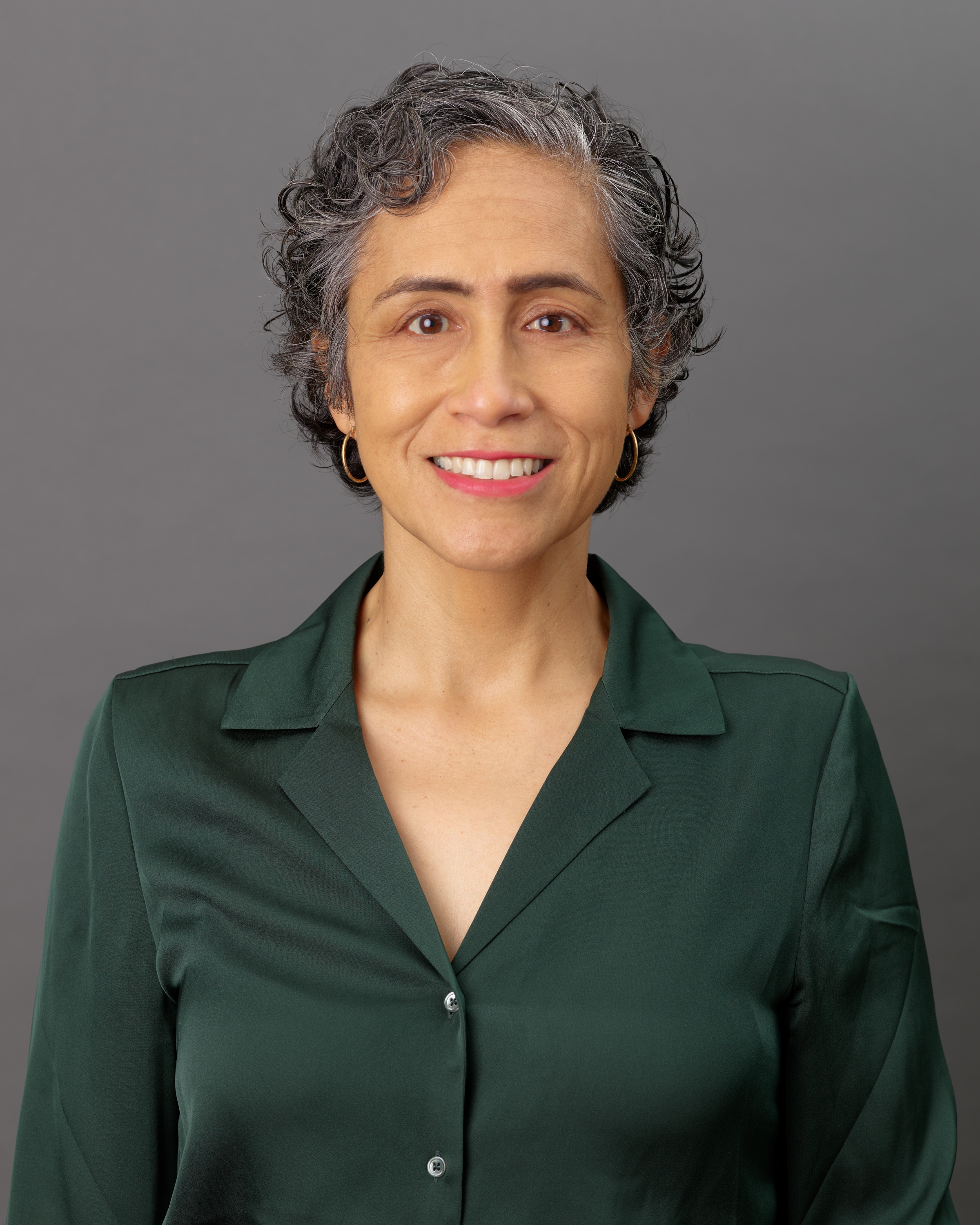
Georgina To'a Salazar
Scientific Writer | Samoan Heritage Researcher
Georgina To’a Salazar, PhD, is a scientific writer and researcher with a growing focus on Samoan cultural documentation and diaspora engagement. Trained in biomedical engineering and experienced in global research settings, she brings a structured, inquiry-driven approach to understanding heritage. Her heritage culture work centers on amplifying cultural knowledge, preserving community narratives, and supporting intergenerational connections within the diaspora.
LinkedInPhoto by <a href="https://unsplash.com/@sangharsh_l?utm_source=unsplash&utm_medium=referral&utm_content=creditCopyText">Sangharsh Lohakare</a> on <a href="https://unsplash.com/photos/a-close-up-of-a-structure-of-a-structure-Iy7QyzOs1bo?utm_source=unsplash&utm_medium=referral&utm_content=creditCopyText">Unsplash</a>